We Tried the Lexus NX 350h
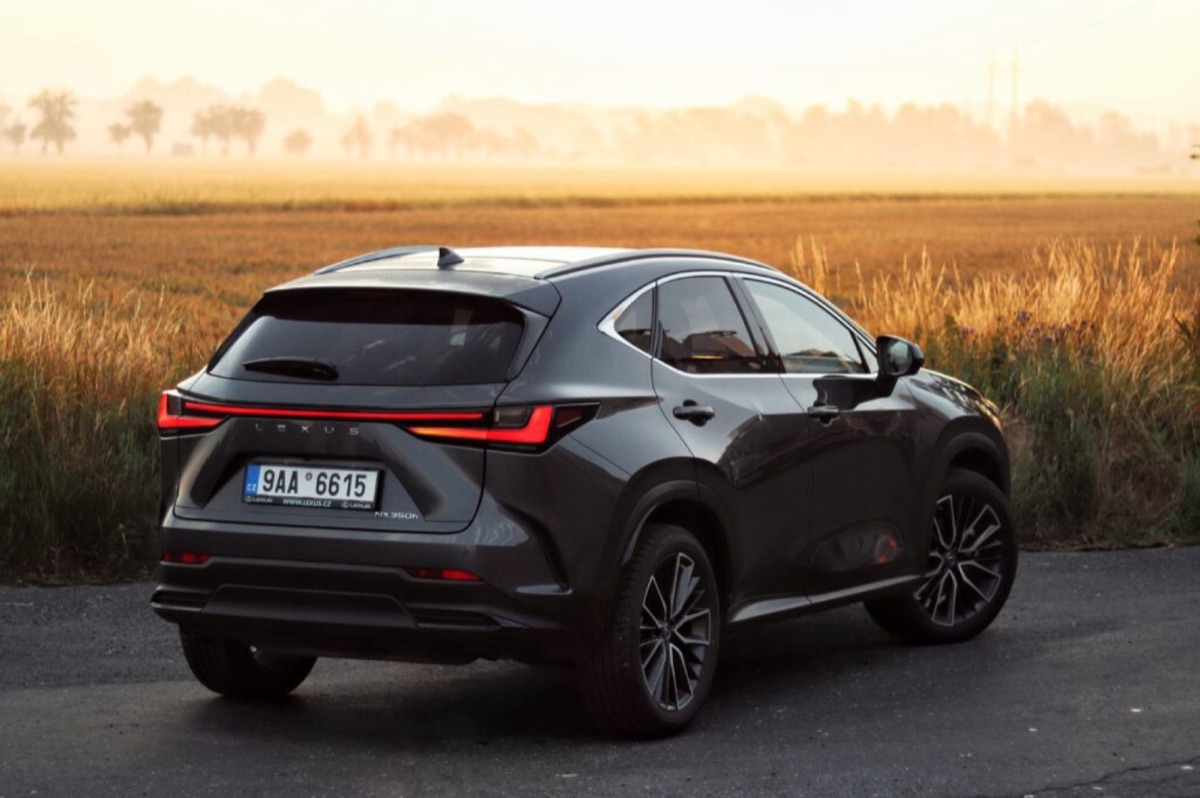
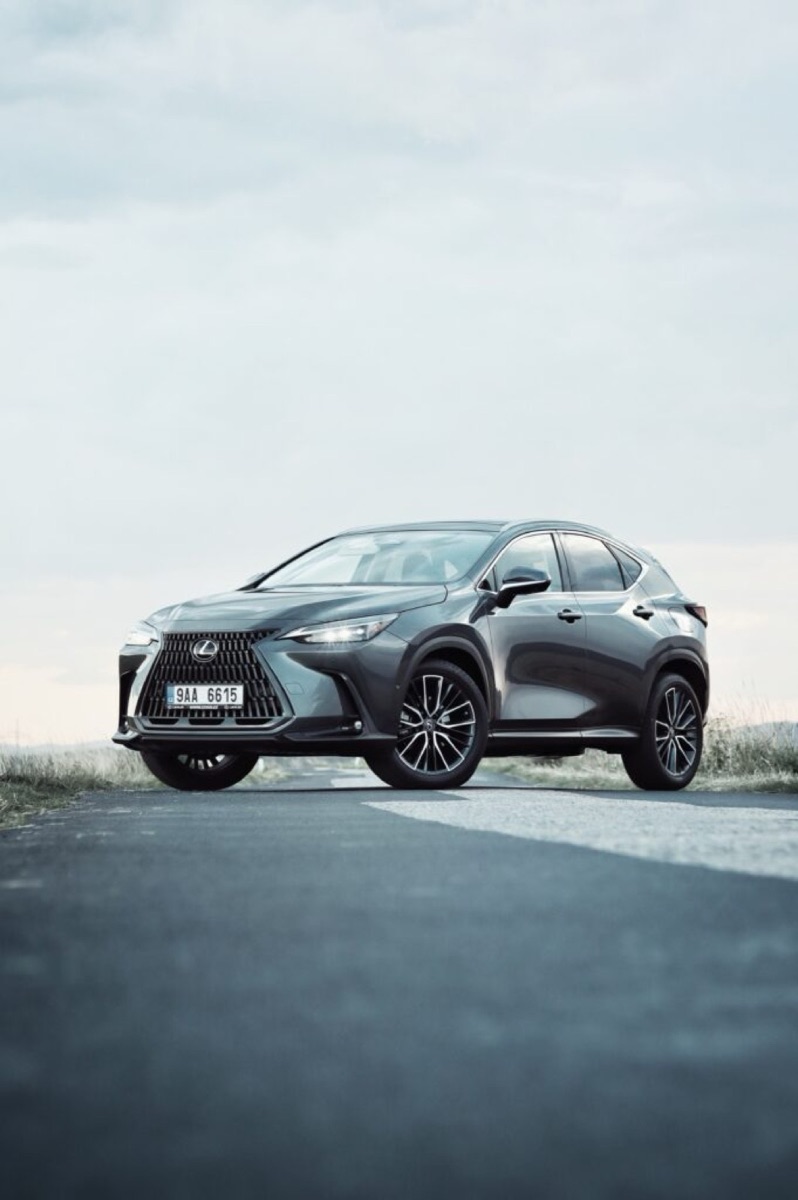
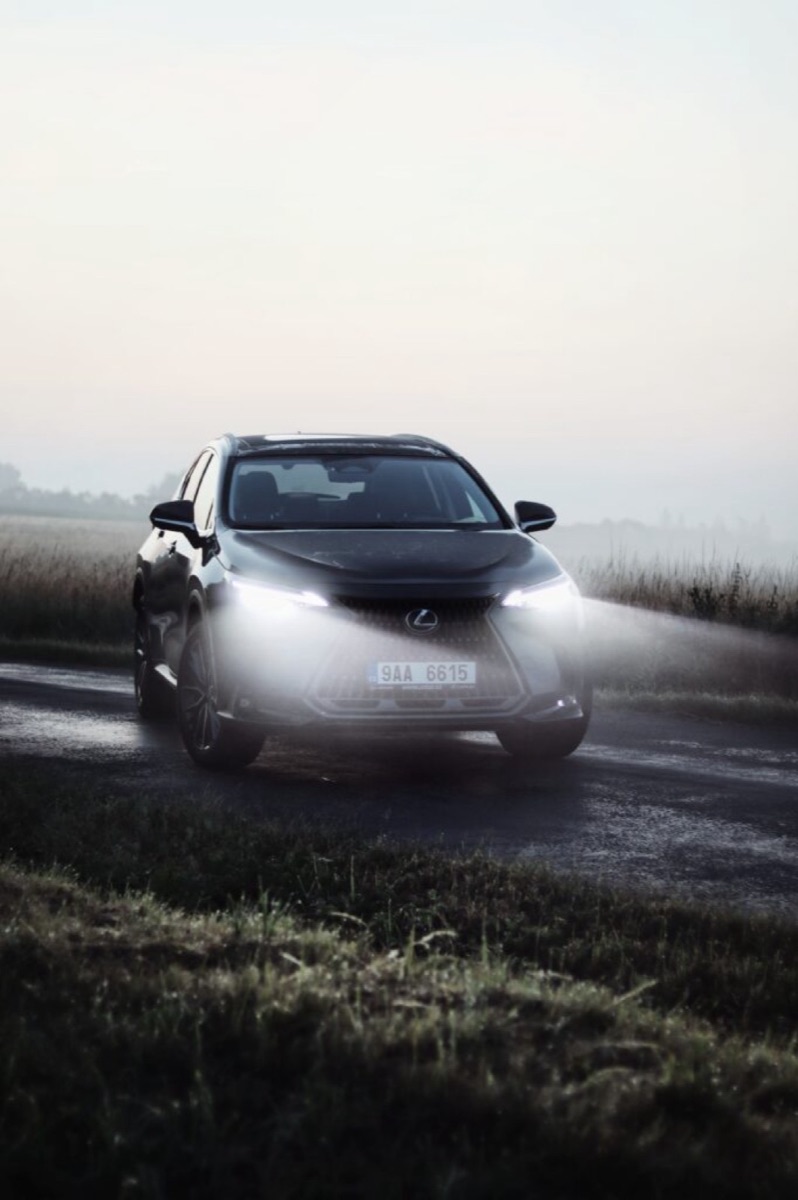
It will soon be exactly a year since I attended the launch of the second-generation Lexus NX. It was clear at first glance that this would be a revolutionary model for the brand. On the outside, the second generation follows nicely on from the previous one, even though it is almost 100% a different car. The eye is immediately caught by the massive grille and sharper lines. The tested car, in Luxury Top trim, is fitted with Quad-LED headlights with excellent masking of surrounding traffic and a cornering light function. Much attention is also drawn by the LED lights joined by a glowing line across the tailgate at the rear. Especially at night, they make a remarkable sight.
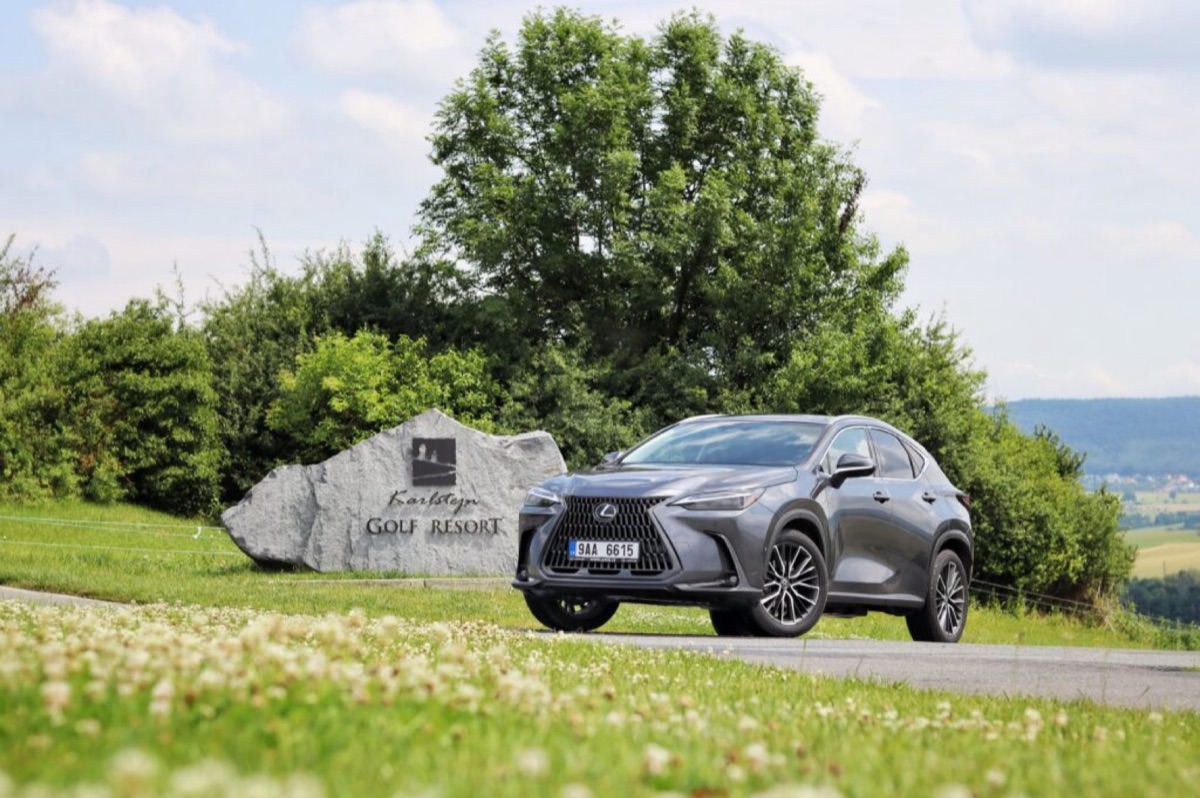
Generation to generation, the NX has grown quite a bit: it is 2 cm longer and wider, and 5 mm taller. The track has grown too, at the front (+30 mm) and at the rear (+59 mm), which benefits the car’s perfect stability. Speaking of the chassis, the NX got the new TNGA-K platform, which it shares with the Toyota RAV4. The new chassis is perfectly balanced. During relaxed driving it is, as we are used to from the brand, supremely comfortable, and it won’t let you down even when driving “harder”, when the car doesn’t lean like an SUV and is beautifully easy to read.
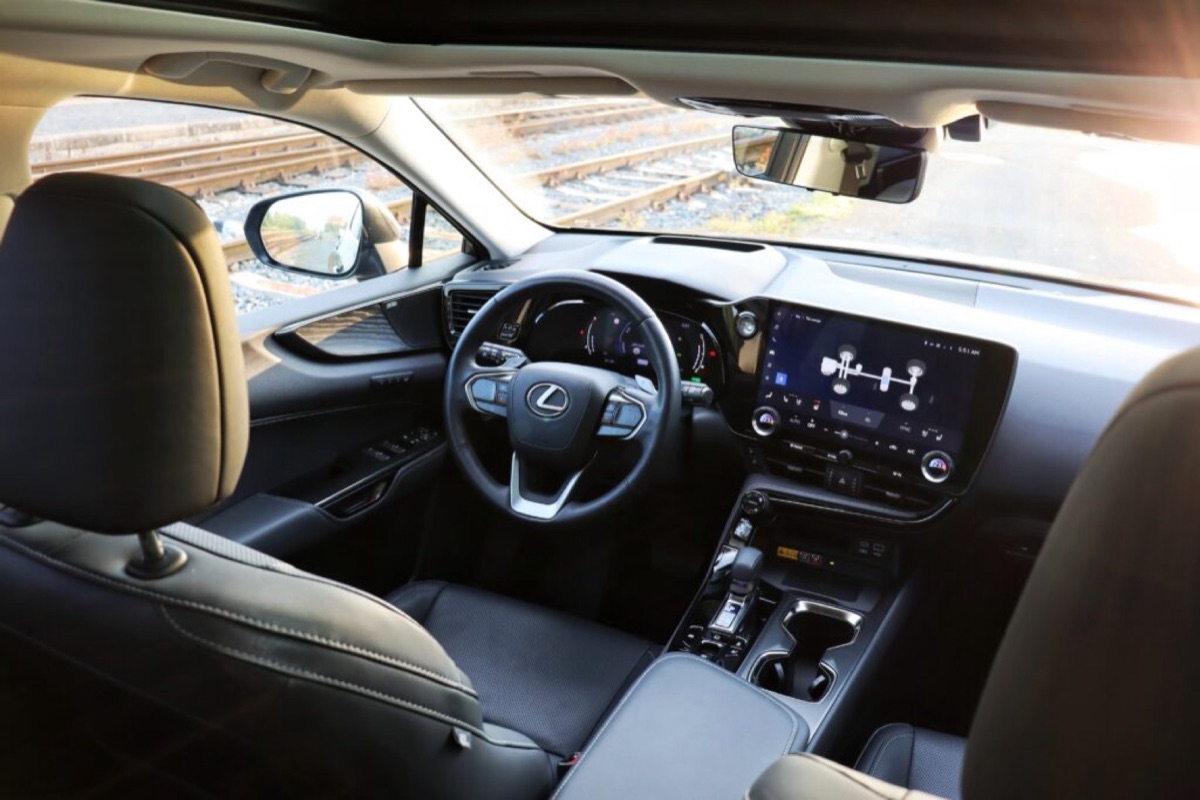
It is the inside of the car that got the most of the revolution I mentioned. It is a completely new concept for Lexus interiors (the so-called Tazuna cockpit), which the other models will follow. And what exactly is this “revolution”? To me it is a perfect balance between the pressure of the outside world to digitalise interiors and clear, simple functionality. The interior is dominated by a 14” infotainment touchscreen that is very intuitive and quick. The much-discussed climate control sits at the bottom of the NX’s display; although digital, it is very precise and pleasant to use. Setting a specific temperature has stayed classically mechanical, using rotary knobs. I was also pleasantly surprised by the automatic setting of the seat and steering wheel heating when you get in, which then gradually reduces depending on the temperature. Another great novelty is the excellent head-up display, which is operated specially via the buttons on the steering wheel. In practice, it works like this: we don’t see the classic function icons on the wheel, they only appear on the head-up display when we touch them, and we then confirm them by pressing on the wheel. Plenty of things can also be controlled by the voice assistant with the command “Hey Lexus”. The system understands Czech very well, and you can set any wake phrase you like for the voice assistant, which awakens enormous creativity. As for the build quality of the interior, there is nothing to discuss here. Lexus once again used the most luxurious and comfortable materials. In the car you feel truly, supremely comfortable. Besides being heated, the seats are also ventilated, which comes in handy especially on tropical days. Passengers in the rear seats are not left out either, as they can switch on heating too. In the tested trim, the car has a panoramic roof, which charmingly enlivens the driving experience.
In the 350h version, the NX is powered by a naturally aspirated four-cylinder petrol engine with a displacement of 2487 cm3, supported by an electric motor. The petrol engine delivers 139 kW at 5700 min-1 and 239 Nm between 4300 and 4500 min-1. The front electric motor produces 134 kW and 270 Nm of torque. Finally, the rear electric motor delivers 40 kW and 121 Nm. Together these motors produce a maximum combined output of 179 kW. The electric motors are powered by a lithium-ion battery. That was a lot of numbers and data, so now let’s look at how it works in practice. It is a hybrid drivetrain that recharges its battery by itself. During relaxed driving on the flat you run purely on electric power, and the petrol engine starts as soon as the control unit decides more power is needed. Thanks to the cabin’s excellent sound insulation, you won’t even notice. Say there is a downhill after a flat stretch, and then an uphill again. Going downhill the car “recuperates”, that is, it recharges the battery by coasting and light braking. It thus gains energy for the power needed afterwards. Going uphill, the car is then driven by both the petrol engine and the electric one. This noticeably reduces fuel consumption. At the end of every trip, the on-board computer shows you what percentage you drove purely on electric power. I never had less than 55% there. Consumption during everyday driving then stays around 4.5 – 6.5 l per 100 km.
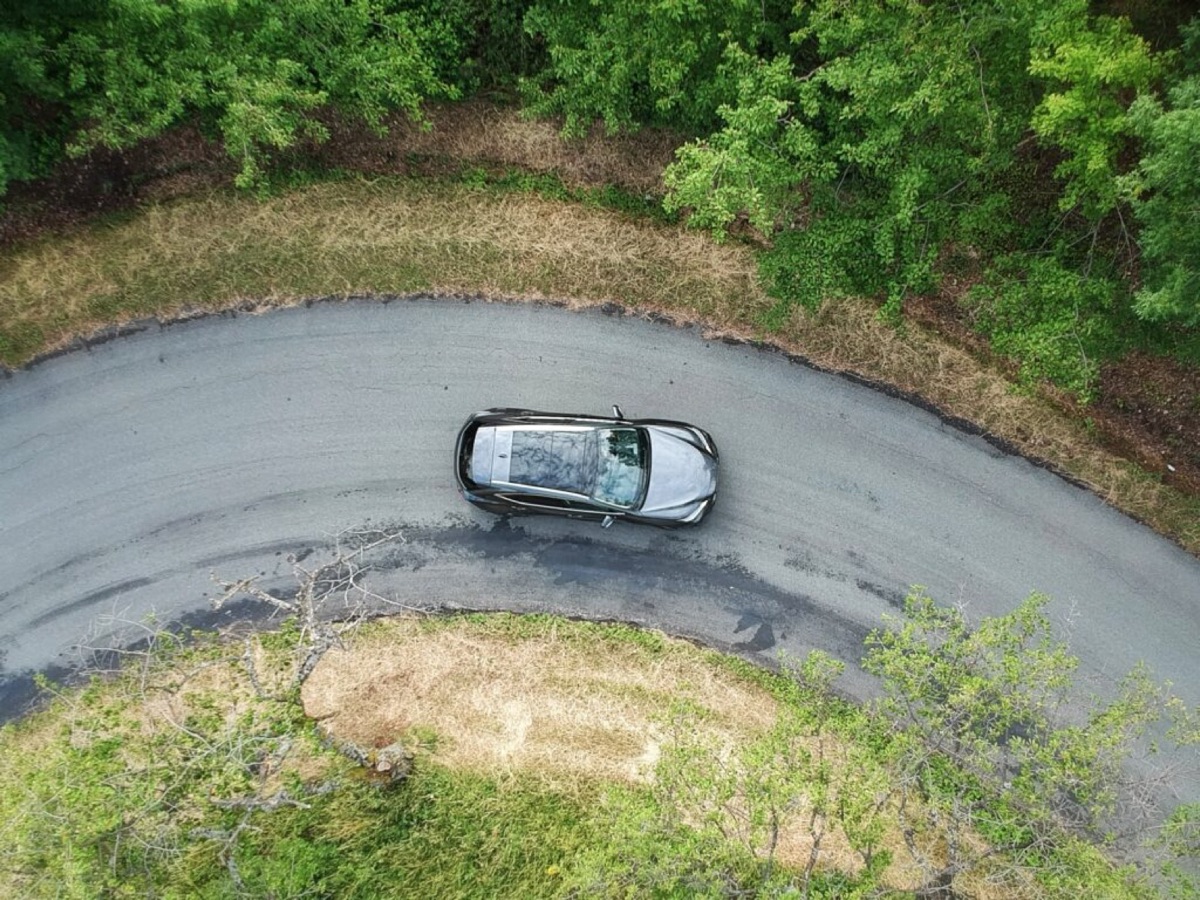
To me, the new Lexus NX is a very successful car that steers the whole brand in the right direction. I got used to it quickly, so saying goodbye after a week of testing was really hard. I have to say the competition has a tough time against this car, whether on the visual and comfort side or on the powertrain side. Prices of the new NX 350h start at 1 340 000 Kč (NX 350h 2WD, Comfort). You pay a bit extra for the equipment of the tested version, which starts at 1 910 000 Kč (NX 350h 4×4 E-Four, Luxury Top). Add the really lovely metallic paint and the panoramic roof, and we arrive at a price tag of 1 990 000 Kč (NX 350h 4×4 E-Four, Luxury Top Panorama). Either way, after trying the new NX, that amount will seem entirely appropriate for what you get.
Author: Ondřej Hrudka
Want to try it for yourself? Choose a car, or take a look at dates.